


I do this work because I believe in designing for people, bridging resources where they’re needed, and leveling power with communities most impacted.
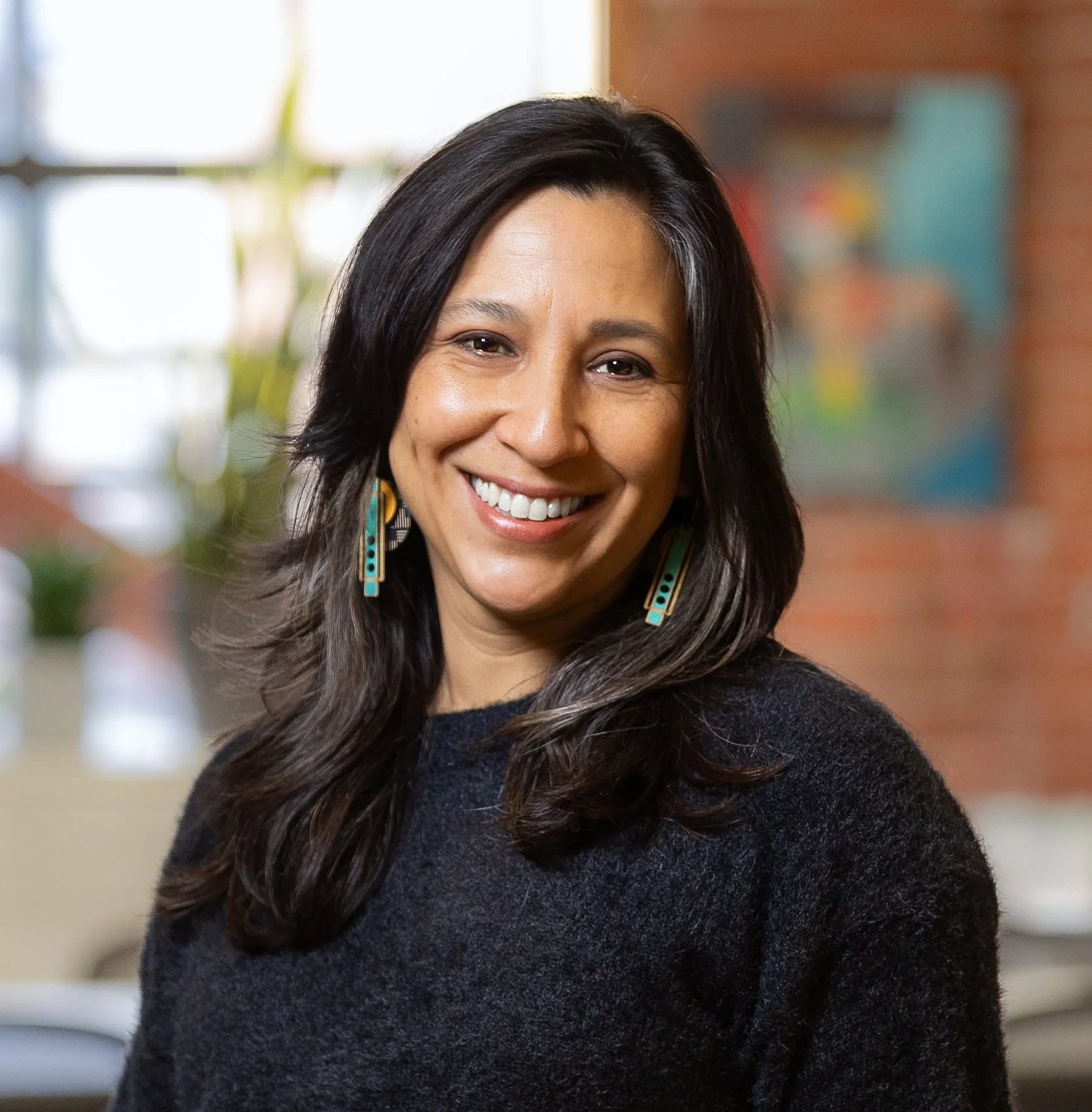
I’m a social innovation strategist working at the intersection of systems thinking, human-centered design, and early-stage implementation. I hold an MBA in Design Strategy from California College of the Arts and have worked across 13 countries, supporting early-stage initiatives, nonprofits, philanthropic organizations, and public-sector partners navigating complexity and growth. I’ve launched social ventures in low-resource settings and designed and facilitated prevention-focused initiatives that continue to thrive years later. I’m most energized in the early, high-creativity phases—when context needs to be uncovered, leverage points clarified, and ideas translated into action.
Earlier in my career, I worked in AIDS/HIV prevention in Mozambique and later spent nearly a decade supporting community health initiatives in the U.S. My work included grantmaking, pooled funding, capital campaigns, and advancing green building and healing-centered design in healthcare settings, including early LEED-informed practices. Across my practice, I’m guided by a commitment to equity, trust-based collaboration, and the belief that innovation lives in implementation.
World View
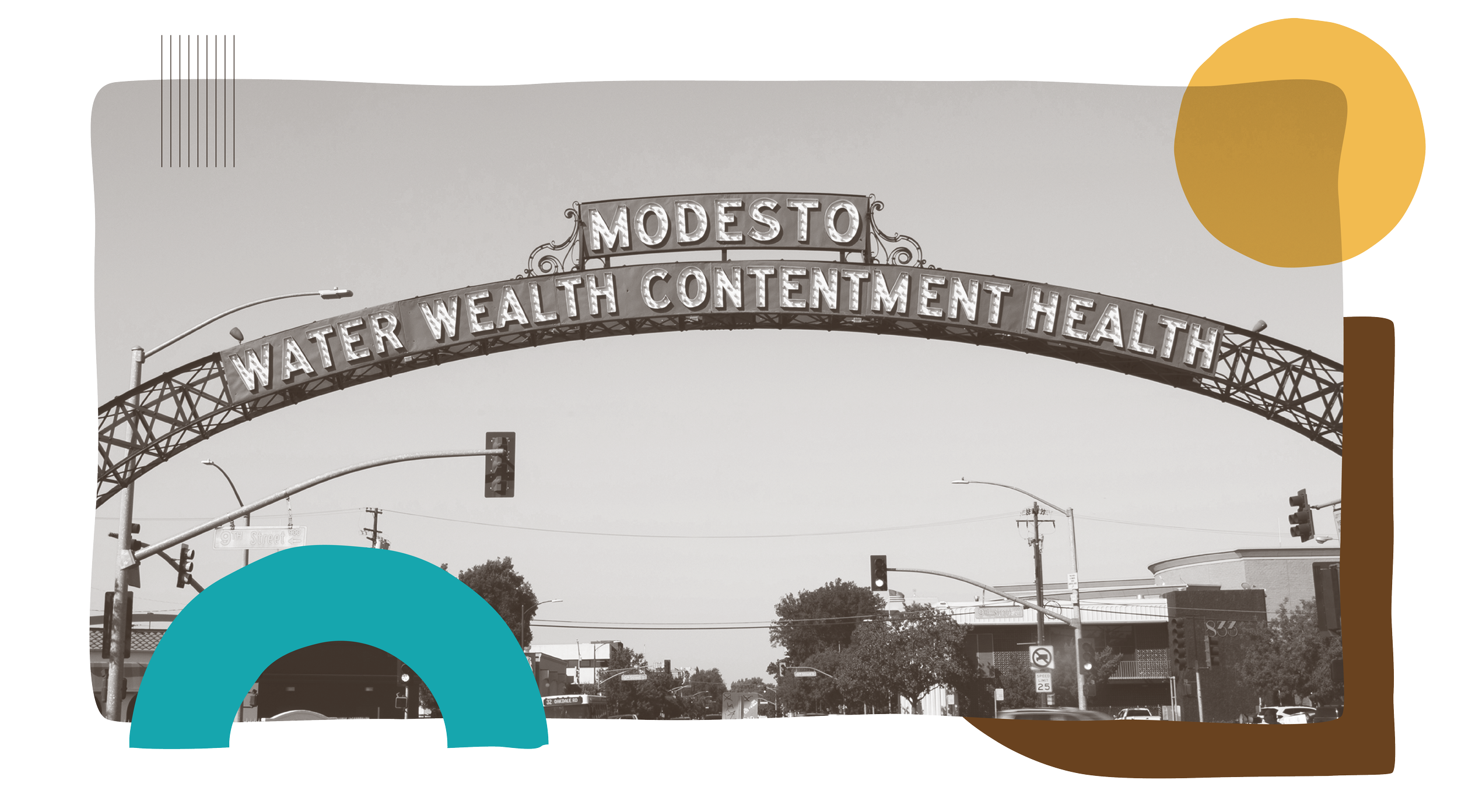
Growing up in Modesto, California, surrounded by almond and peach orchards, I experienced the intersection of small-town life and global movement. Modesto was both agricultural and suburban, shaped by migration, faith, and layered cultural identities. That legacy shapes how I approach complexity—grounded, adaptive, and attentive to context in both creative and strategic work.
My worldview is shaped by movement, context, and connection. Whether working in Tanzania or California, I begin by listening to the system itself; its people, rhythms, hopes, and needs. I want to be actively involved in building systems that work for the majority of people at both macro and micro levels. I also understand that historic and systemic barriers hinder this goal.